
Stakeholder Engagement from an Accountability Lens: CAO at IAIA 2026
How do accountability mechanisms at multilateral development finance institutions address challenges related to communication and trust that hinder meaningful stakeholder engagement?
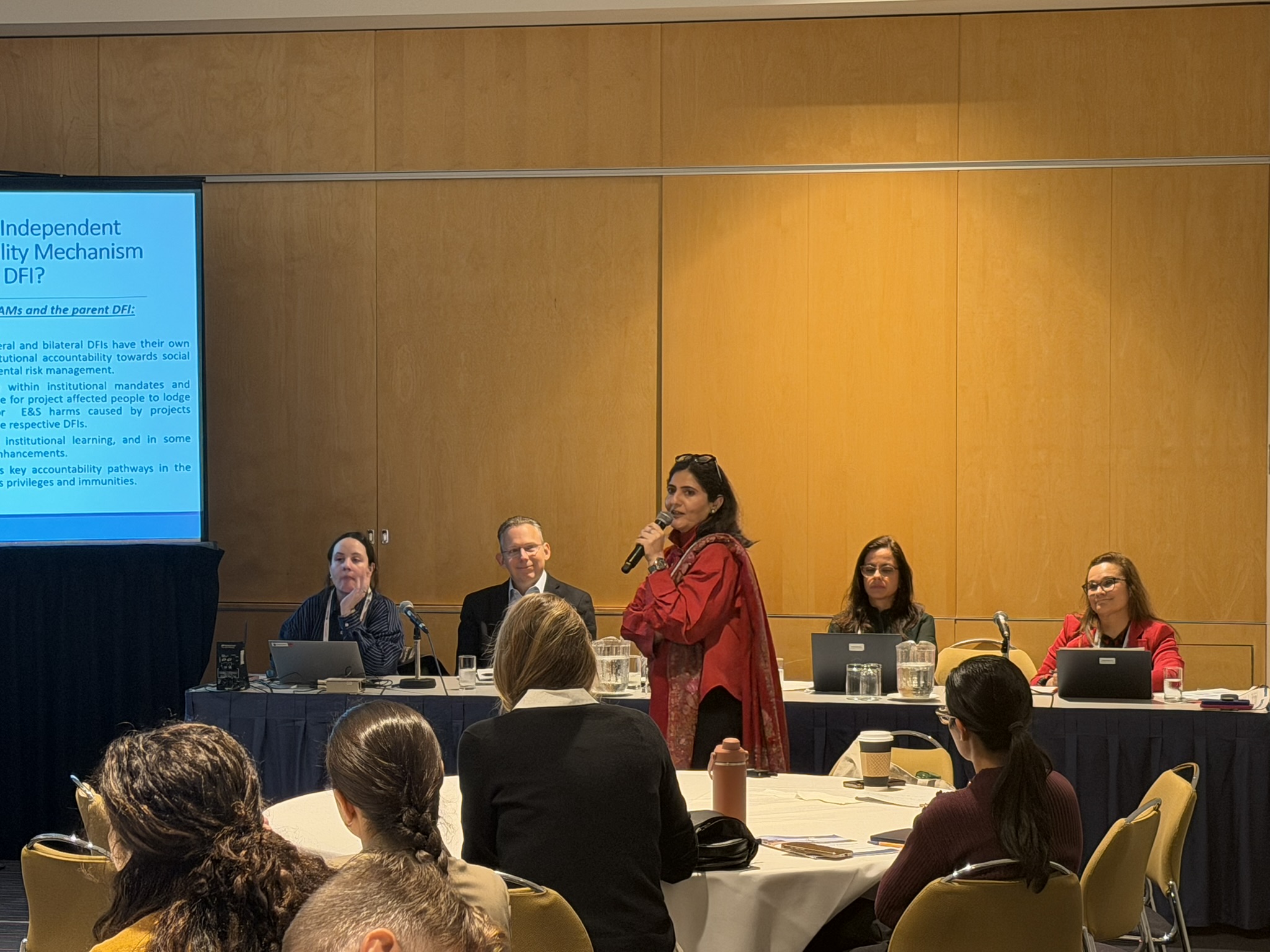
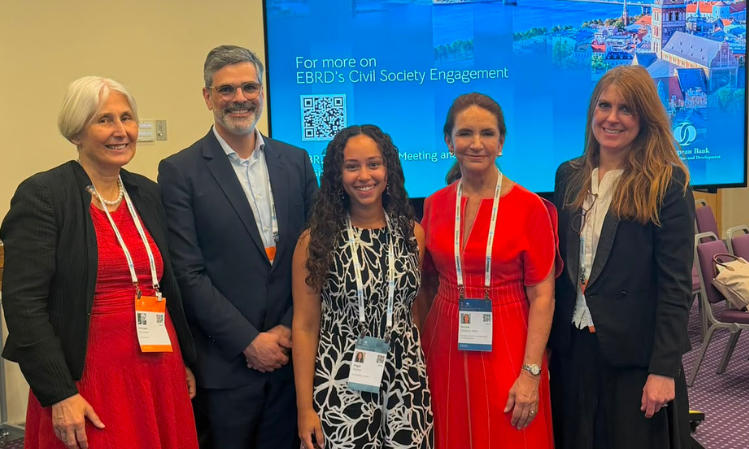
At the International Association for Impact Assessment Conference, IAIA 2026, in Québec City, these were some of the questions at the center of “Rethinking Stakeholder Engagement from an Accountability Lens,” a Solutions Room session hosted by practitioners from the World Bank Group’s independent accountability mechanisms (IAMs): the Compliance Advisor Ombudsman (CAO), the Dispute Resolution Service (DRS), and the Inspection Panel (IPN).
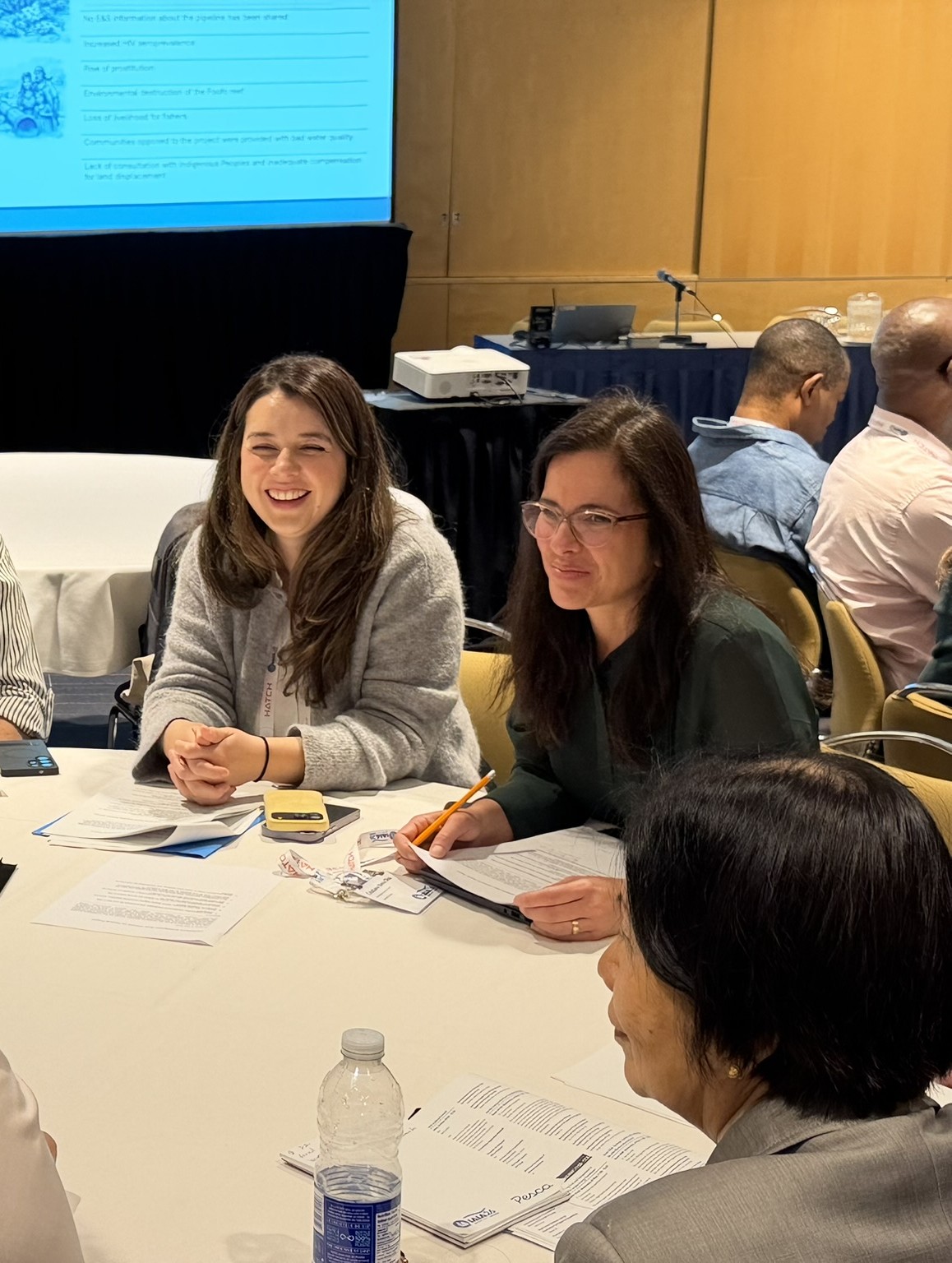
The session brought together more than 60 practitioners from the environmental and social (E&S) impact assessment community, civil society organizations (CSOs), the private sector, accountability mechanisms, and multilateral institutions for a practical problem-solving exercise. After a brief introduction to the work of the IAMs, participants role-played different IAM functions, including dispute resolution, compliance oversight, and advisory, in small groups using a mock case study.
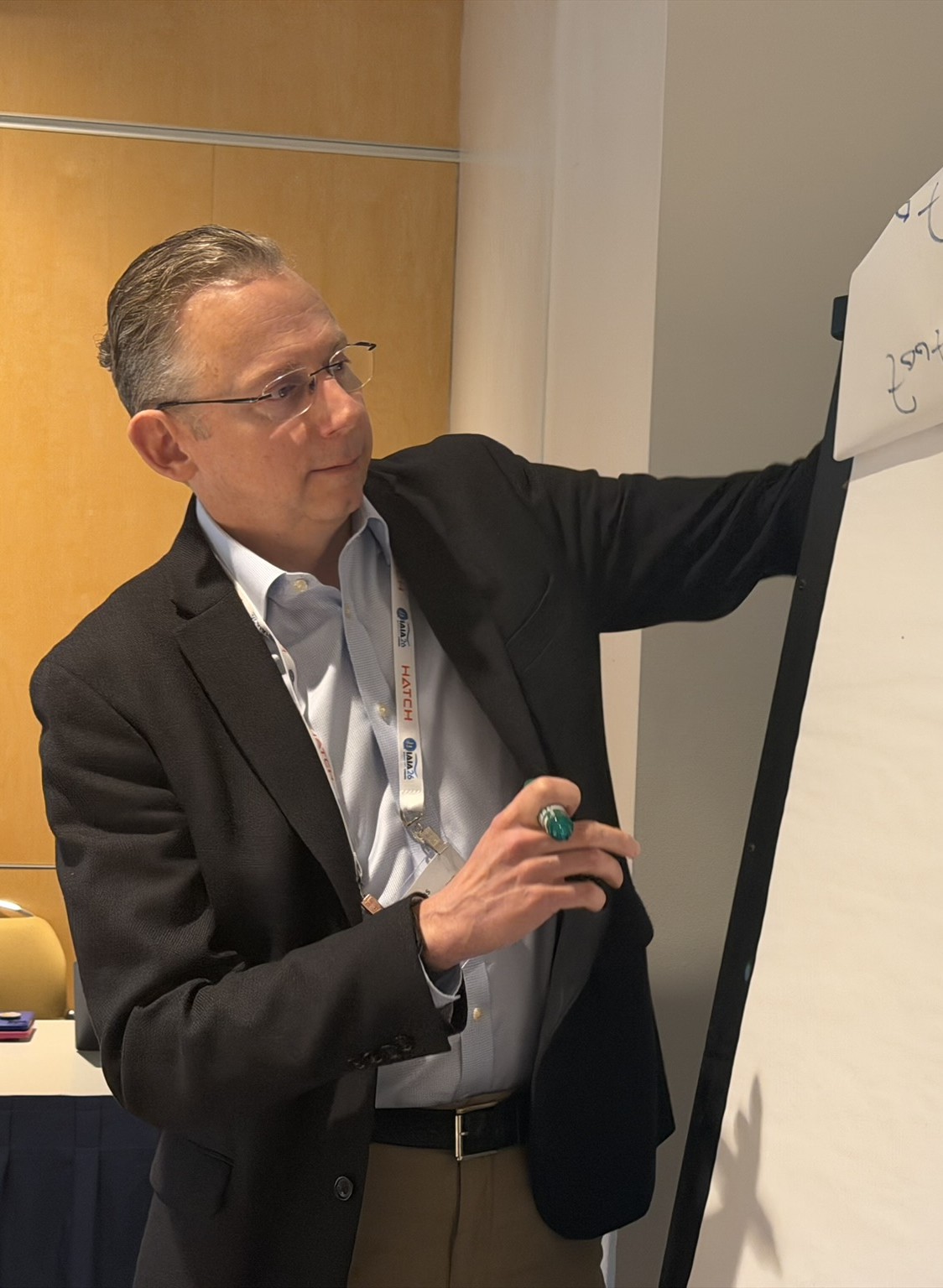
The groups identified ways to improve transparency, reduce misinformation, and strengthen trust in high-tension environments. Discussions were facilitated by Irum Ahsan, Manager of CAO’s Advisory function; Scott Adams, DRS Dispute Resolution Senior Specialist; Cristiane Bene Dias, IPN Compliance Specialist; Katalina Montana, CAO Dispute Resolution Specialist; Agustina Palencia, CAO Advisory Analyst; and Raquel Gomez, CAO Compliance Analyst.
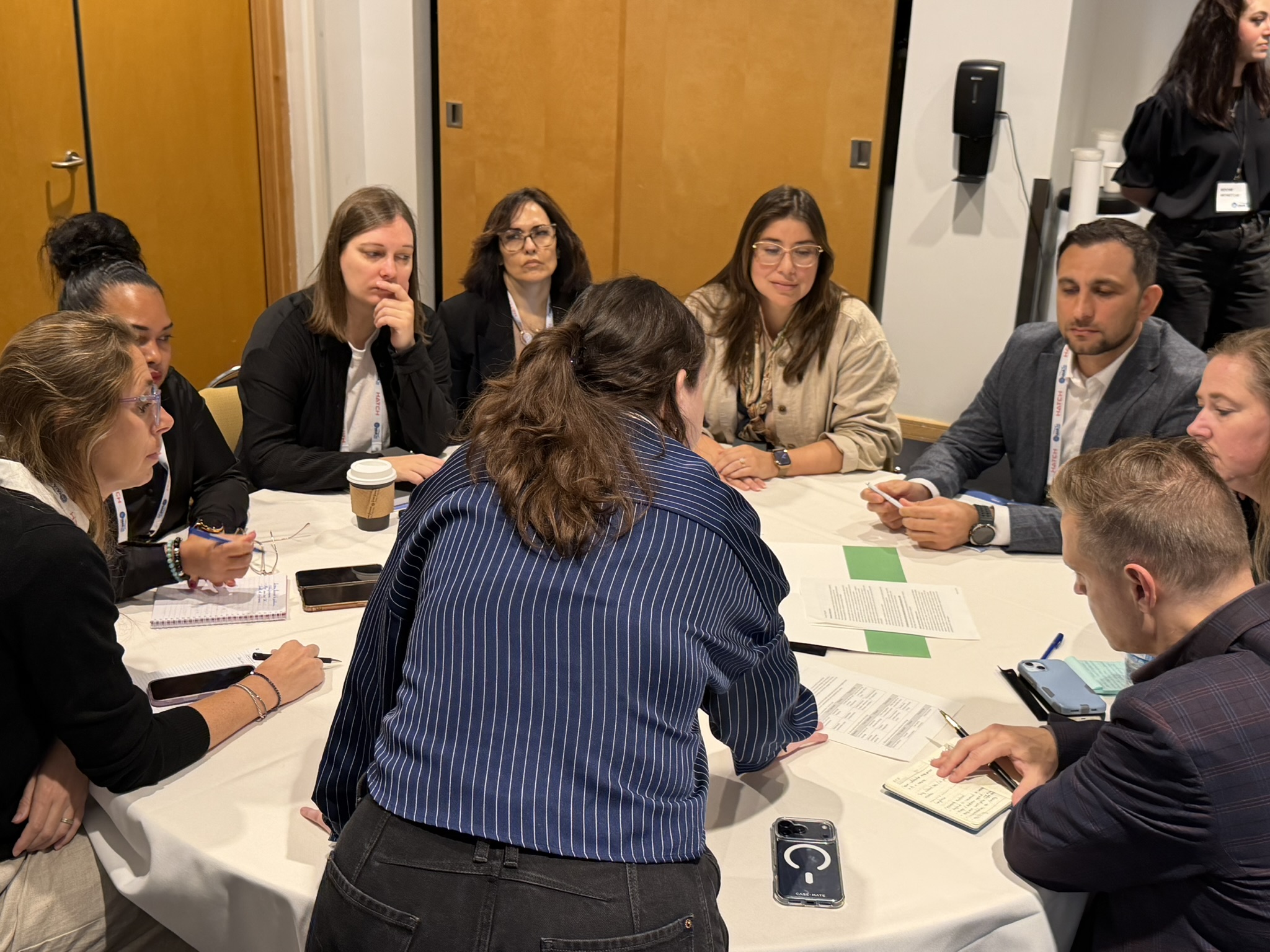
The small-table discussions reflected on how project-affected communities often struggle to access trusted and understandable information, particularly due to barriers presented by technical language, lack of credibility, or power imbalances with other project stakeholders.
Facilitators from the IAMs shared practical tools that can be leveraged to address these challenges, such as cultural- and context-sensitive approaches, visual aids and role plays, stakeholder mapping, capacity building and coaching, ground rules, active listening, expectation management and reality-testing. At the end of the session, participants shared reflections drawn from their small group discussions that they could take into their work moving forward.
One of the strongest themes that emerged during the session was that stakeholder engagement is often treated as a box-checking exercise rather than an ongoing relationship. “Many complaints are not only about the impacts themselves, but about people feeling unheard, uninformed, or excluded from decisions that affect their lives,” said Scott Adams.
Participants also discussed the challenges compliance processes face when engaging with stakeholders in sensitive contexts. Cristiane Bená Dias emphasized that “meeting complainants’ needs regarding when and how they want to engage with us is essential to respecting their privacy and ensuring safety.”
Drawing from experiences with real complaints, the CAO Advisory team highlighted that some challenges can also emerge from within institutions themselves. “The key is to demonstrate the added value of lessons learned in improving environmental and social outcomes, which is at the core of our mandate,” said Irum Ahsan.
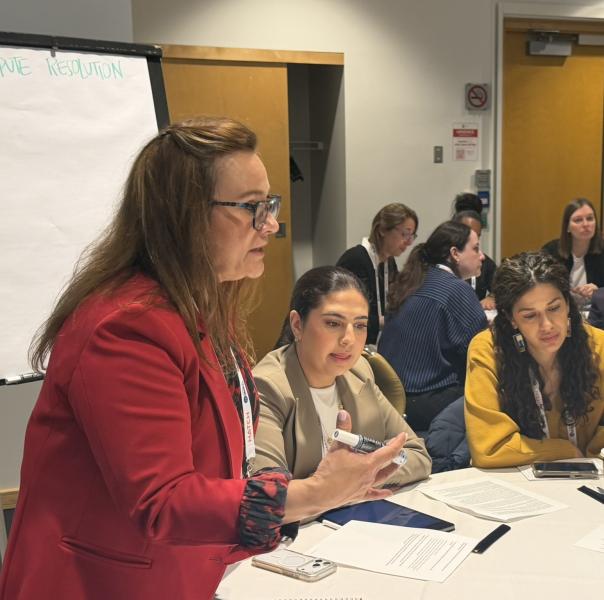
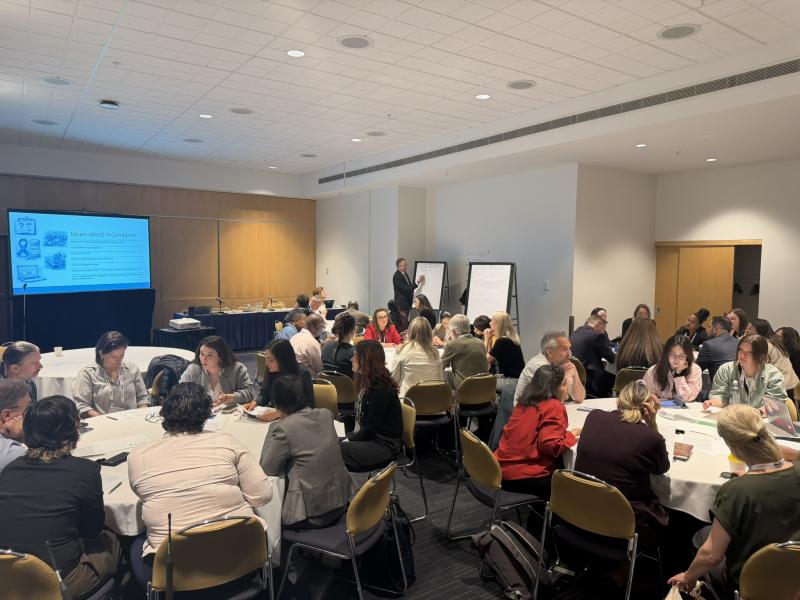
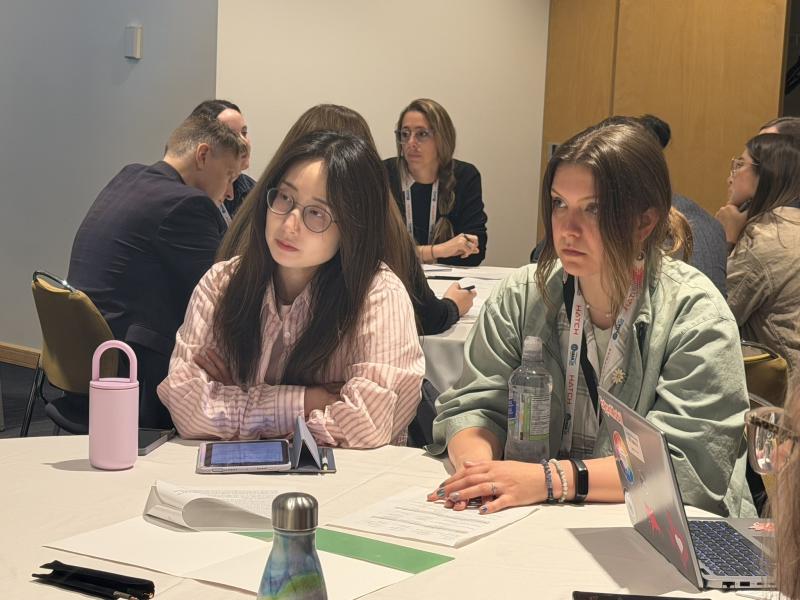
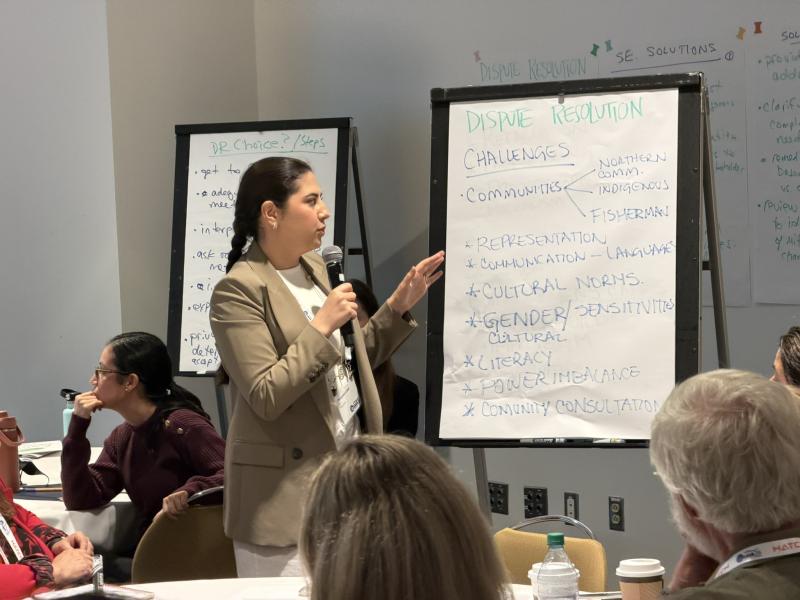
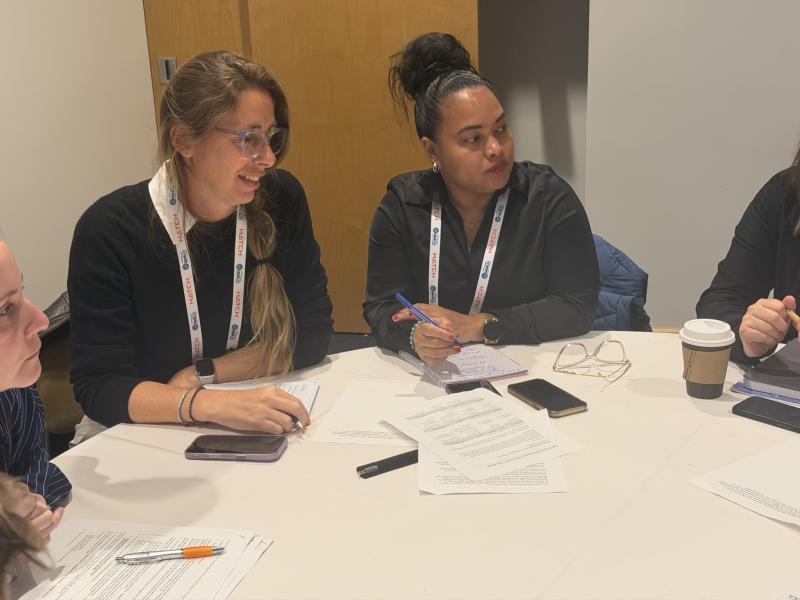
Building trust and strengthening dialogue with project-affected communities emerged as a central theme throughout the discussion.
The discussion showed that meaningful stakeholder engagement is not just about sharing information, but about creating a space for communities to genuinely participate in decisions that affect them
CAO continues its participation in IAIA, an important forum for practitioners to exchange knowledge and innovative ideas to stay ahead of emerging environmental and social governance issues.
Related News
 News
News
 News
News
 News
News
News
News
 News
News
 News
News
Close Modal
Join Our Mailing List
Get CAO’s newsletter, latest publications, event updates, and more.